jncasr-logo-trans2

NANOmaterials and CATalysis(NANOCAT)

Jawaharlal Nehru Centre for Advanced Scientific Research

2016-19

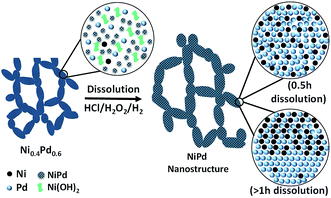
Direct synthesis of hydrogen peroxide from molecular H2 and O2 is one of the challenging reactions for several decades in terms of catalyst selection, stability and selectivity. Herein, we report a bimetallic NiPd nanocatalyst showing unusually high, three times higher activity compared to Pd nanocatalysts. The catalyst also shows very long life time, 72 h, with high activity under harsh acidic conditions.

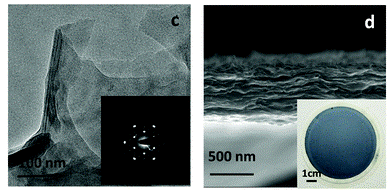
Submicrometer thick MoS2 membranes were investigated for their gas permeation properties and efficiency of H2/CO2 separation. These membranes show high H2/CO2 separation at very high H2 permeability. The thermal stability of the membrane and the effect of phase transition of MoS2 from the 1T to the 2H phase on gas permeability and H2/CO2 separation were investigated by heating the membrane at different temperatures. The MoS2 membranes were found to be thermally stable up to 160 °C and a significant increase in gas permeability was observed. The mechanism of gas permeation through the MoS2 membranes was found to be through interbundle spaces instead of interlayer spaces of individual MoS2 sheets.

Graphene oxide (GO) membranes have generated a great deal of interest in the development of high performance membranes for gas separation. However, metastable GO undergoes structural transformation with temperature and time, which would cast its impact on the permeation properties of the membranes. Herein, we report a significant enhancement (nearly 20 times) in the gas permeability of annealed GO membranes compared to the as-prepared ones owing to the creation of easy permeation pathways for gas molecules. We also demonstrated that these membranes perform very well for H2/CO2 separation compared to the previously reported inorganic membranes and are well above the upper bounds of polymeric membranes.

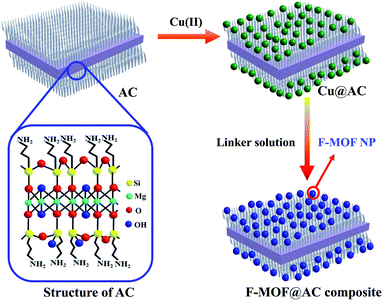
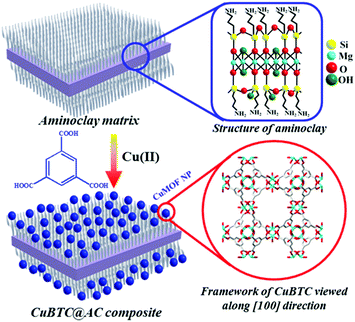
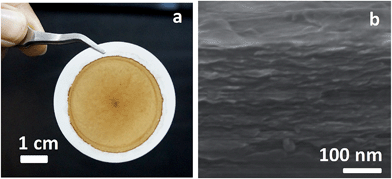
We delineate the growth and stabilization of ultra-small (2–3 nm) {Cu3(BTC)2(H2O)2·xH2O} MOF nanoparticles on a 2D layered aminoclay template. The composite shows significant CO2 uptake (5.35 mmol g−1 at 298 K, 1 bar; 46% higher than pristine bulk MOF), superior CO2 separation efficiency from CO2/N2 and CO2/CH4 mixtures and higher catalytic proficiency for chemical fixation of CO2 into cyclic carbonates.

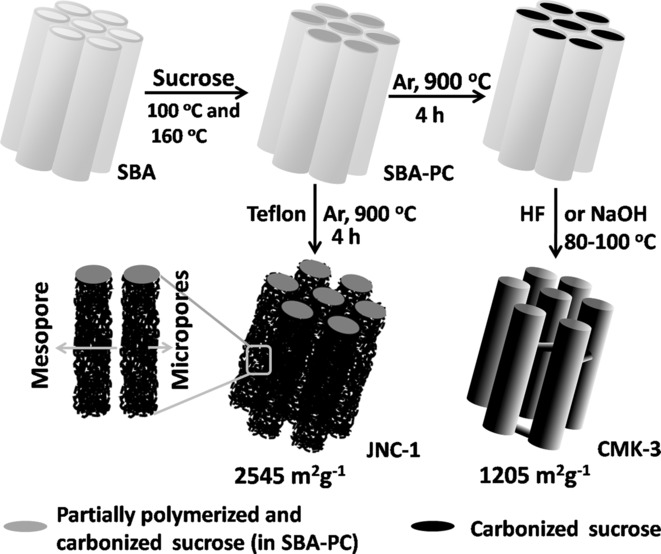
An innovative technique to obtain high-surface-area mesostructured carbon (2545 m2 g−1) with significant microporosity uses Teflon as the silica template removal agent. This method not only shortens synthesis time by combining silica removal and carbonization in a single step, but also assists in ultrafast removal of the template (in 10 min) with complete elimination of toxic HF usage. The obtained carbon material (JNC-1) displays excellent CO2 capture ability (ca. 26.2 wt % at 0 °C under 0.88 bar CO2 pressure), which is twice that of CMK-3 obtained by the HF etching method (13.0 wt %). JNC-1 demonstrated higher H2 adsorption capacity (2.8 wt %) compared to CMK-3 (1.2 wt %) at −196 °C under 1.0 bar H2 pressure. The bimodal pore architecture of JNC-1 led to superior supercapacitor performance, with a specific capacitance of 292 F g−1 and 182 F g−1 at a drain rate of 1 A g−1 and 50 A g−1, respectively, in 1 m H2SO4 compared to CMK-3 and activated carbon.

pub-17

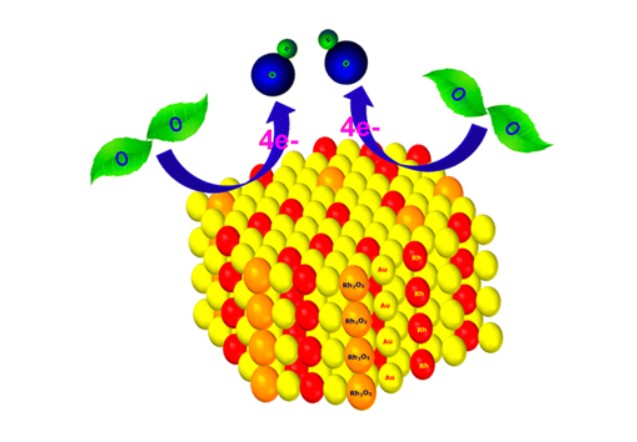
The electroreduction of dioxygen on supportless Au–Rh bimetallic nanostructures (Au–Rh NSs) synthesized by a surfactant template-free, single step chemical reduction method occurred with high intrinsic activity in an alkaline medium. Cyclic voltammetry and linear scan voltammetry together with X-ray diffraction and high-resolution electron microscopy showed that the improved performance of the Au–Rh NSs toward dioxygen reduction could be due to the synergistic electronic effects of nanobimetallic combination and its clusterlike morphology. The electrochemically active surface area (ECSA) was estimated to be 37.2 m2 g–1 for supportless Au–Rh NS with a 3:1 atomic composition, which was higher than that reported for Ag-based nanocatalysts. The intrinsic activities (IA) of the supportless and carbon supported Au–Rh (3:1) NSs were 3.25 and 3.0 mA/cm2, respectively, which were higher than those of the standard Pt/C (0.1 mA/cm2)45 Au/C catalysts for the oxygen reduction reaction (ORR). Oxygen reduction on both catalysts followed a direct four electron pathway. The accelerated durability test carried out by continuous potential cycling showed that the 3:1 ratio of Au–Rh nanostructures had excellent stability with a 20% increase in ECSA after 10 000 potential cycles, highlighting their potential application for real systems.

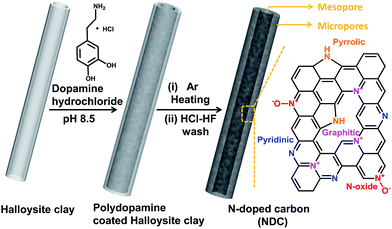
An efficient, N-doped, pore-engineered carbon as a dual electrocatalyst for hydrogen evolution reaction (HER) and oxygen reduction reaction (ORR) is developed with the potential to replace traditional precious metal (Pt)-based catalysts. Rationally designed, N-doped carbons (NDCs) with wider mesopores (15–27 nm) exhibiting superior mass transfer properties were obtained following pyrolysis and demineralization of polydopamine-coated halloysite clay nanotubes. NDCs thus obtained exhibit excellent electrocatalytic activity for hydrogen evolution reaction (HER) with a lower onset potential (117 mV), smaller Tafel slope (94 mV dec−1) and high exchange current density (jo = 1.5 × 10⁻² mA cm−2), which is comparable and even superior to other multiple heteroatom-doped carbons and transition metal chalcogenide/oxide-based systems reported previously. Furthermore, NDCs participate in an efficient, direct four-electron pathway for the reduction of molecular oxygen to water. The observed bifunctional electrocatalytic activity of the NDC can be attributed to the synergistic effect of enhanced mass transfer and efficient charge transfer processes at the electrodes and hence deems fit to be a promising candidate for future renewable energy blueprints viz. metal–air batteries and regenerative fuel cell technology.

Miniaturization of flexible metal–organic frameworks (F-MOFs) to nanoscale is expected to show interesting structural dynamics and serve numerous applications from separation and drug delivery to sensing. However, nanoscale F-MOFs or their composites have remained largely unexplored to date. Here, we present a new and facile method to stabilize F-MOF nanocrystals on an aminoclay (AC) template and study their tunable, enhanced gas adsorption and separation properties. We demonstrate miniaturization of two different 2D F-MOFs, {[Cu(pyrdc)(bpp)](5H2O)}n (F-MOF1) with a pillared-bilayer structure and {[Cu(dhbc)2(4,4′-bpy)]·H2O} (F-MOF2) with an interdigitated network, on AC that acts as a functional template to grow and stabilize MOF nanocrystals. Different F-MOF1@AC composites were synthesized where the gate/step pressure for specific adsorbate molecules (CO2/C2H2) could be tuned by varying the AC content. Enhanced guest adsorption with stepwise behaviour has also been realized in a certain composite. Breakthrough column experiments with the F-MOF2@AC composite show its capability to separate CO2/N2 and CO2/CH4 gas mixtures under ambient conditions.

pub-15

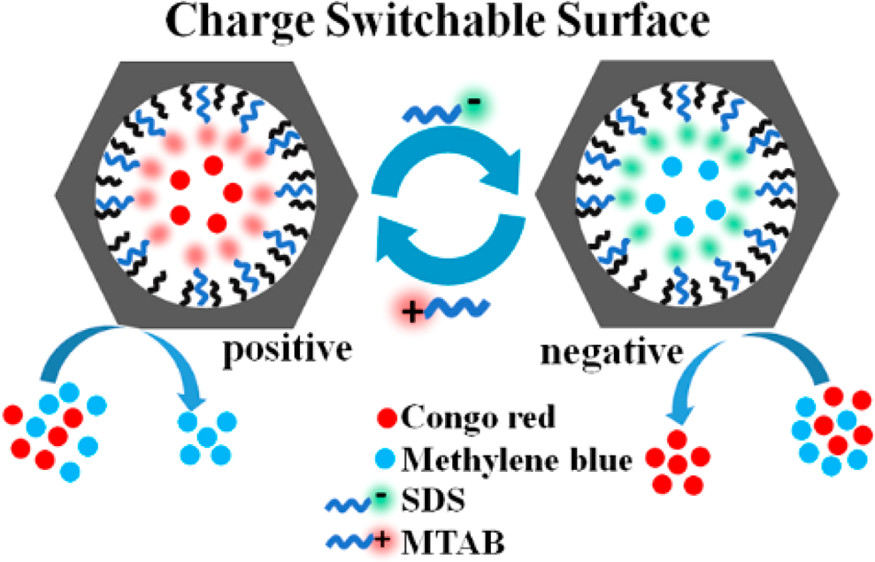
Mesoporous silica-based charge reversal systems have gained significant attention in recent years due to a variety of applications such as drug delivery, dye adsorption, catalysis, chromatography, etc. Such systems often use covalent strategies to immobilize functional groups on the silica scaffold. However, lack of dynamism, modularity, and postsynthetic flexibility associated with covalent routes limit their wider applicability. Alternatively, supramolecular routes are gaining increased attention owing to their ability to overcome these limitations. Here, we introduce a simple and facile noncovalent design for a highly reversible assembly of charged amphiphiles within mesopores. Hexyl pendant groups were covalently attached to the surface to provide hydrophobic anchoring for charged amphiphiles to enable facile switching of surface charge of the mesoporous silica. These charge-switchable surfaces were used for fast and selective adsorption of dyes from aqueous solutions.

pub-11

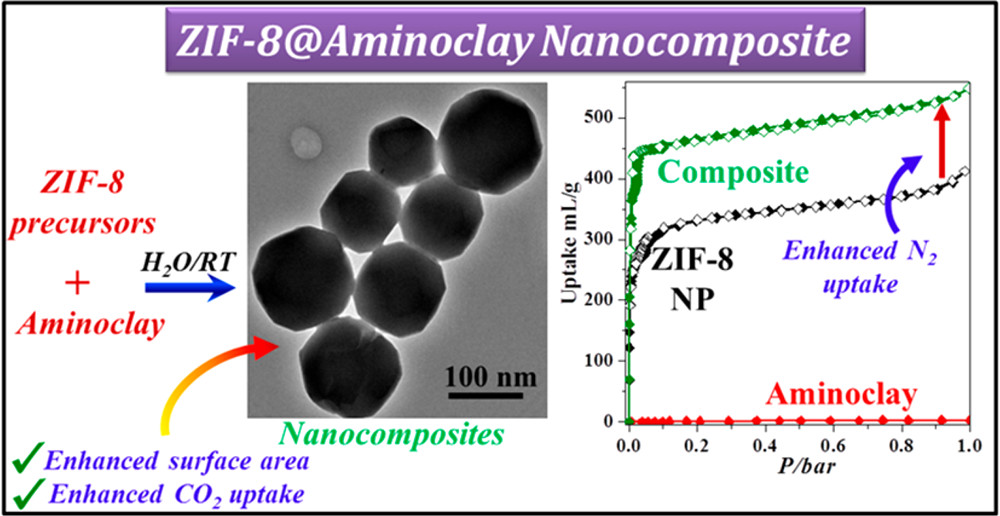
Self-assembly of metal–organic framework (MOF) nanoparticles (NPs) with a functional material can result in MOF nanocomposites having new and advanced properties along with the fabrication of new nanoscopic structures. However, such assembly of MOFs has not been realized to date. Here we report self-assembled nanocomposites of the zeolitic imidazolate framework (ZIF-8) and layered aminoclay (AC) for the first time, and the ZIF-8@AC composites exhibit significantly enhanced adsorption properties in comparison to those of pristine ZIF-8 nanoparticles. Four different composites denoted as ZIF-8@AC-1, ZIF-8@AC-2, ZIF-8@AC-3, and ZIF-8@AC-4 were synthesized by varying the clay content, and their AC contents were found to be 12.1, 18.3, 22.2, and 27.2 wt %, respectively. The composites were thoroughly characterized by PXRD, FTIR, Raman, and various microscopic techniques (FESEM, TEM, and STEM). The formation of the composites is driven by the specific interaction between unsaturated Zn(II) sites of ZIF-8 nanoparticles and NH2 groups of the aminoclay, which was validated from ζ potential and Raman spectroscopic measurements. The adsorption studies of the desolvated composites were also carried out in detail. The best performance is achieved with one of the composites, which exhibits a 42% increase in BET surface area while CO2 uptake at 298 K is doubled in comparison to the ZIF-8 nanoparticles.

pub-7

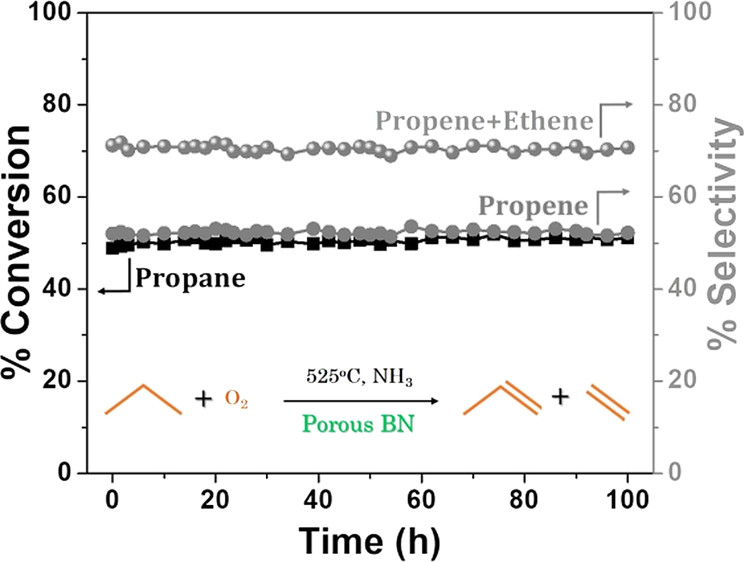
Developing environment-friendly active and selective catalysts for oxidative dehydrogenation of propane for on-purpose propene synthesis is challenging despite tremendous industrial potential for this reaction. Herein, we report on catalytic activity of high surface area hexagonal boron nitride, toward oxidative dehydrogenation of propane. It shows remarkable selectivity for alkenes (∼70%) at very high conversion (of ∼50%) of propane. Propene and ethene selectivities as high as 53 and 18%, respectively, were obtained at a conversion of 52%. The catalytic activity is retained continuously for 5 h. Regeneration in ammonia brings back the catalytic activity to its full potential. Oxidation of surface B–N bonds in oxygen leads to the diminishing catalytic activity after 5 h which, on heating in ammonia, reduced back to their native form, regaining the indigenous activity. Remarkably, the addition of ammonia in the reaction feed showed stable activity for more than 100 h.

pub-6

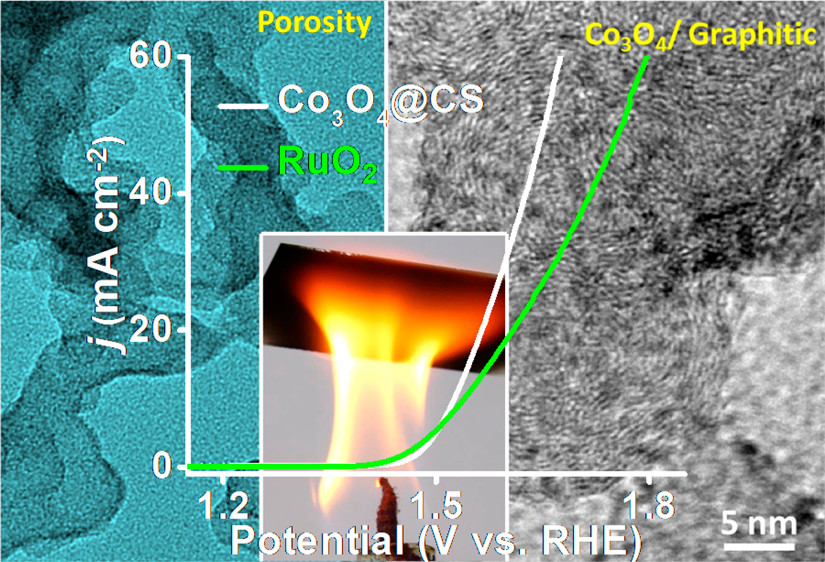
Mass transport and charge transfer at an interface play a crucial role in governing the electrochemical performance of a material. Wider meso-/macropores are expected to enhance the reaction kinetics by facilitating the ion transport to and fro from an active interface, thereby continuously regenerating it at accelerated rates. Herein, we report a generic, simple, and ultrafast synthetic method to obtain highly graphitized porous carbon containing well-dispersed Co3O4 nanoparticles (∼1 wt % Co) using cobalt acetate and piperidine precursors. The obtained catalyst (Co3O4@CS) exhibits onset potential and oxygen evolution kinetics similar to that of the state-of-the-art catalyst, RuO2. For oxygen evolution reaction (OER), the synthesized material exhibits excellent cycling performance over 2000 cycles. Such a performance metric can be attributed to the uniform dispersion of active sites (Co3O4) over a low-density, highly interconnected conducting carbon matrix leading to facile mass transport and charge transfer, respectively.

pub-5

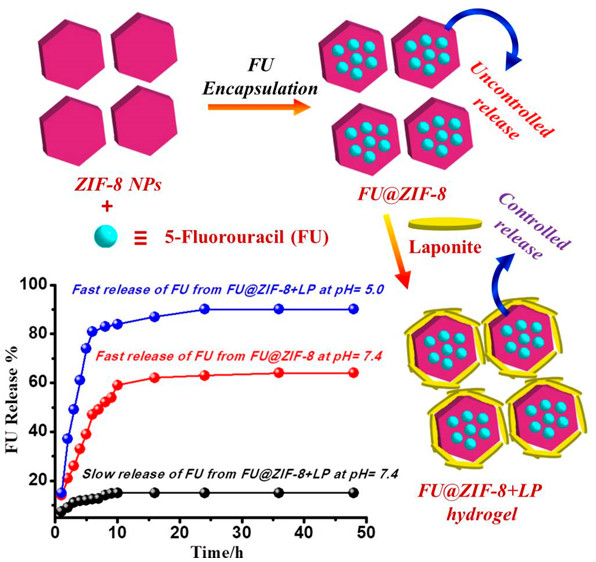
The fabrication of a gel through the self-assembly of a nanoscale metal–organic framework is extremely rare. Here we report the facile synthesis of new hydrogel nanocomposites by the surface coating of ZIF-8 nanoparticles with laponite (LP) nanoclay through electrostatic interaction. The hydrogel exhibits a pH-controlled release of encapsulated guest molecules. Also, a luminescent hydrogel nanocomposite is prepared by encapsulating dye into ZIF-8, followed by gelation with LP.

pub-3

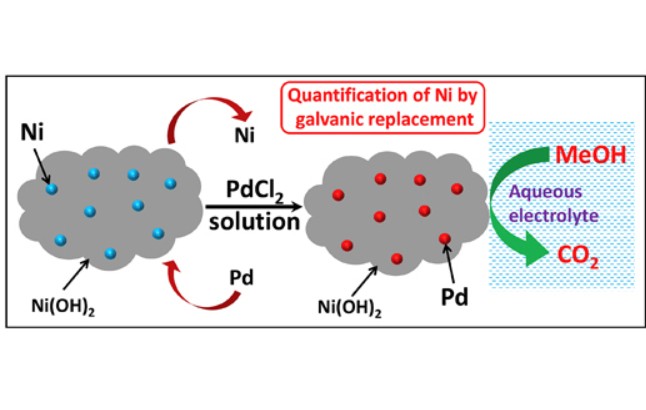
We have demonstrated a new and simple methodology to quantify the amount of metallic Ni present in the mixed nickel hydroxide/nickel surface using galvanic replacement reaction. This method was also used to manipulate the formation of nanocomposite, NiPd on Ni(OH)2 support by controlling the extent of galvanic replacement of Ni by Pd. The bimetallic NiPd nanoparticles supported on Ni(OH)2 prepared by galvanic reaction showed better electrocatalytic activity for methanol oxidation than commercial Pd/C. This approach can be extended to synthesize various nickel containing bimetallic nanoparticles essential for different catalysis.

pub-1

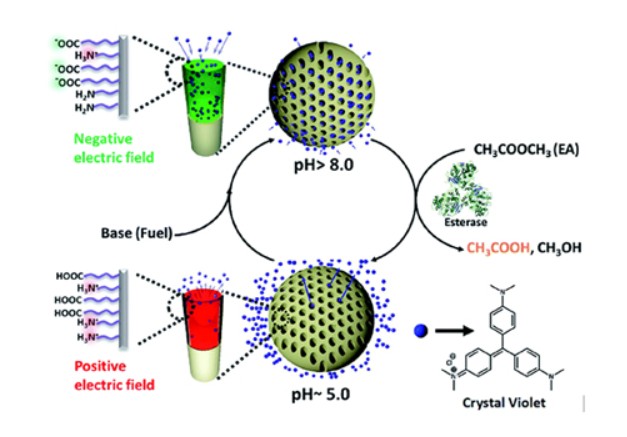
Temporal regulation of mass transport across the membrane is a vital feature of biological systems. Such regulatory mechanisms rely on complex biochemical reaction networks, often operating far from equilibrium. Herein, we demonstrate biochemical reaction mediated temporal regulation of mass transport in nanochannels of mesoporous silica sphere. The rationally designed nanochannels with pH responsive electrostatic gating are fabricated through a hetero-functionalization approach utilizing propylamine and carboxylic acid moieties. At basic pH, cationic small molecules can diffuse into the nanochannels which release back to the solution at acidic pH. The transient ion transport is temporally controlled using a base as fuel along with esterase enzyme as the mediator. The slow enzymatic hydrolysis of a dormant deactivator (ethyl acetate) determines the lifetime of transient encapsulated state, which can be programmed easily by modulating the enzymatic activity of esterase. This system represents a unique approach to create autonomous artificial cellular models.

negv

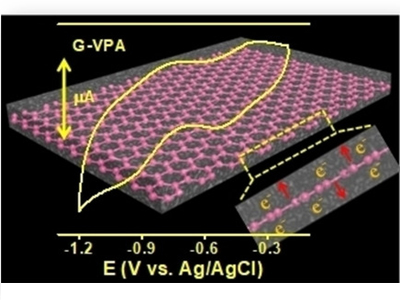
Viologen based covalent organic polymer (COP) interfaced with graphene at the nanoscale showed pseudocapacitive energy storage associated with redox-active moieties. The positively charged viologen moieties endow charge storage as well as easy wetting of the electrode. The non-conducting COP grown over conducting graphene enhances its performance by extensive interface formation. All the redox states of viologen moieties can be reversibly attained without significant polarization when it is interfaced with graphene. However, the COP (devoid of graphene) shows irreversible/pseudo-reversible behavior due to lack of electron conducting pathways. The intimate and dense conducting pathways in graphene-COP composites facilitates the charge transfer across interface leading to effective and reversible participation of redox moieties across the entire range over 1000 cycles. Also, we show that the strategy being universal in nature and aid in electron transfer in dense 3D networks which lacks traditional π-π stacking of 2D crystalline networks (COF).

Collaborative Works

In this study, soft clay chromophore hybrids were used to demonstrate a photo-modification strategy, in which a white light standard can be converted into a different white light standard via insitu generation of a blue-emitting chromophore. This strategy has been used to obtain various white light standards, post formulation, via simple irradiation.

The present invention is in relation to a composition including nanosphere and histone acetyltransferase (HAT) activator. The nanosphere is carbon nanosphere (CSP) which is intrinsically fluorescent and the HAT activator is N-(4-Chloro-3-trifluoromethyl-phenyl)-2-n-propoxy-benzamide. The N-(4-Chloro-3-trifluoromethyl-phenyl)-2-n-propoxy-benzamide is covalently conjugated with the carbon nanosphere. The present invention further relates to a process for obtaining a composition including carbon nanosphere and Histone acetyltransferase (HAT) activator [N-(4-Chloro-3-trifluoromethyl-phenyl)-2-n-propoxy-benzamide]. The composition is capable of crossing blood brain barrier and inducing histone acetylation in brain. Further, the composition is capable of increasing neurogenesis, as well as improving long-term memory formation. The composition manages pathological conditions to a subject in need thereof, such as aging-related, neurodegenerative diseases (Alzheimer's in particular), neurological disorders, depression or other kinds of diseases in which increased HAT activity, neurogenesis and/or memory improvement would benefit.

This review focuses on pharmacodynamics, pharmacokinetics, clinical efficacy, safety and tolerability of LTG and its effect on cognition, psychiatry, quality of life, women and pregnancy along with effect of enzyme inducing and enzyme inhibiting drugs over LTG and their effect on serum level fluctuations by collecting data from various studies over the years until 2016.

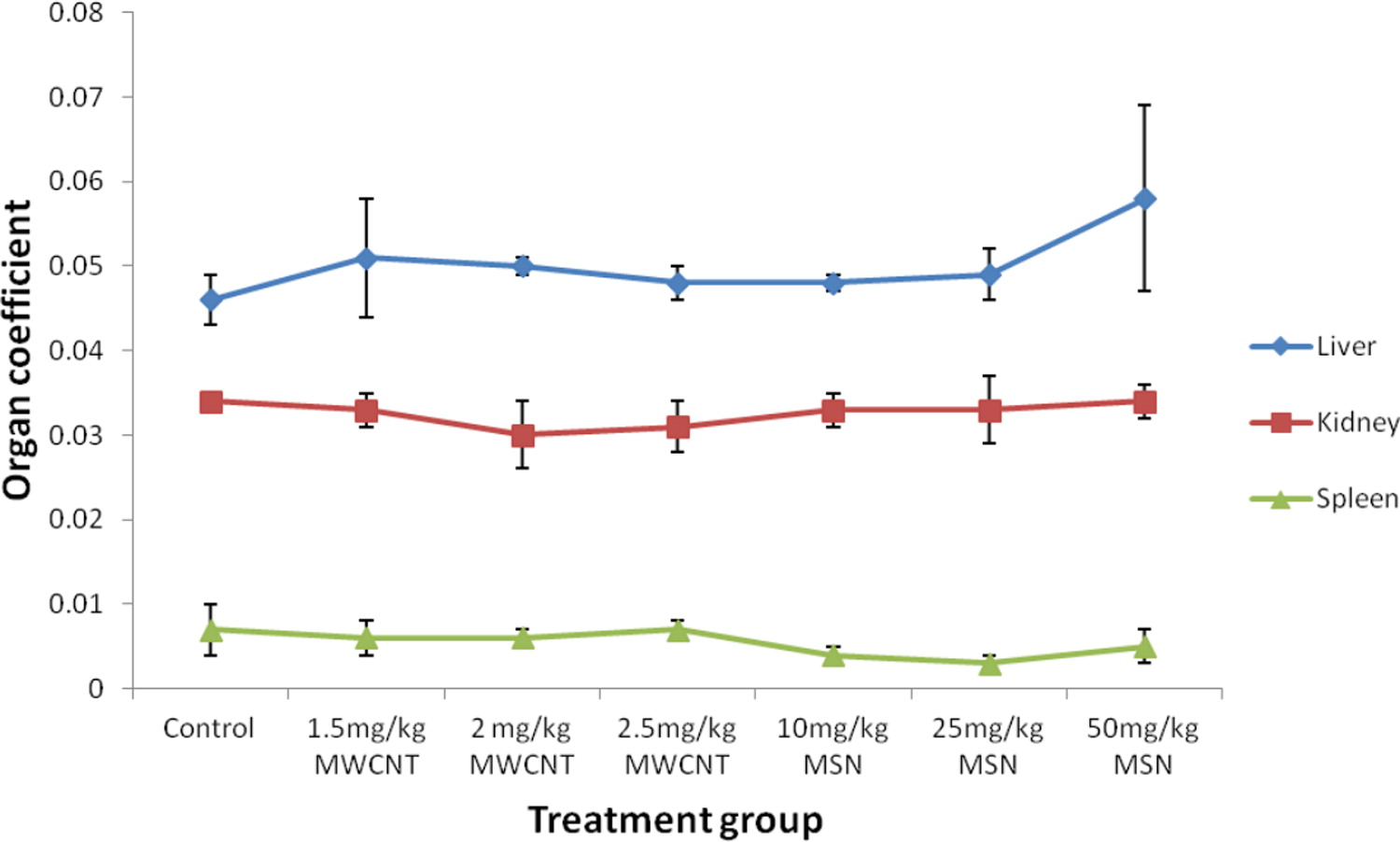
In the present work, we took two nanomaterials (NMs), mesoporous silica nanoparticles (MSNs) and multiwalled carbon nanotubes (MWCNTs), and compared their in vivo toxicity taking albino mice as a test animal model. Presently, conflicting data persist regarding behavior of these NMs with macromolecules like protein and lipid at the cellular level in cell lines as well as in animal models and this generated the interest to study them. The mice were treated orally with a single dose of 50 ppm MWCNTs and intraperitoneally with 10, 25, and 50 mg kg−1 body weight (BW) of MSNs and 1.5, 2.0, and 2.5 mg kg−1 BW of MWCNTs. Liver enzyme markers serum aspartate aminotransferase (AST), alanine aminotransferase, and alkaline phosphatase along with total protein (TP) levels were evaluated 7 days postexposure. No significant differences in organ weight indices or enzyme levels were observed between different treatment doses but there were significant differences between the treatment groups and the controls. Of the three enzymes assayed, AST displayed a peculiar pattern, especially in the MWCNTs intraperitoneally treated group. TP level was significantly increased in the orally treated MWCNTs group. The results showed that MWCNTs even at much smaller doses than MSNs displayed similar toxicity levels, suggesting that toxicity of MWCNTs is greater than MSNs.

ehsam

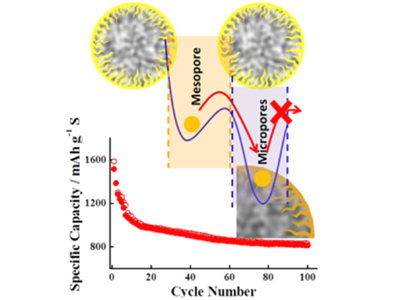
A high surface area porous carbon synthesized using a sacrificial-template assisted synthesis protocol, is demonstrated here as a host for the confinement of sulfur for use in Li−S and intermediate temperature (25-70 °C) Na−S rechargeable batteries. The hierarchical porous pillared carbon host, comprising of an intricate network of mesopores and micropores provide a landscape of sites with varying strength of interaction with sulfur. Thus, the amount of sulfur (and associated polysulfides) inside the carbon host is predetermined by the host structural characteristics rather than by the loading protocol. The mesoporous-microporous carbon led to sulfur content in excess of 70%. While the bulk of S (and polysulfides) are stored inside the mesopores of the carbon host, the micropore apart from sulfur storage strongly contributes towards the modulation of sulfur flux during charge-discharge cycling. The S−C cathode exhibited remarkable cycling and rate capability with Li and also against Na at intermediate temperature (25-70 °C). This result is a paradigm shift from the conventional Na−S electrochemistry which is known to efficiently work only at elevated temperatures, in the temperature range starting from excess of 100 °C to 300 °C.

ssit

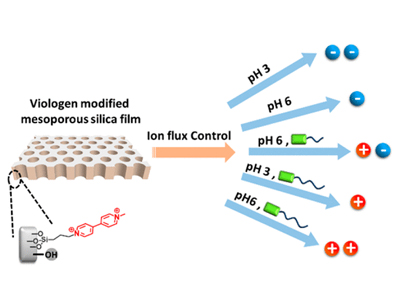
Noncovalent approaches to achieve smart ion-transport regulation in artificial nanochannels have garnered significant interest in the recent years because of their advantages over conventional covalent routes. Herein, we demonstrate a simple and generic approach to control the surface charge in mesoporous silica nanochannels by employing π-electron-rich charged motifs (pyranine-based donors) to interact with the surface of mesoporous silica modified with π-electron-deficient motifs (viologen-based acceptors) through a range of noncovalent forces, namely, charge-transfer, electrostatic, and hydrophobic interactions. The extent of each of these interactions was independently controlled by molecular design and pH, while employing them in a synergistic or antagonistic fashion to modulate the binding affinity of the charged motifs. This enabled the precise control of the surface charge of the nanochannels to achieve multiple ion-transport states.

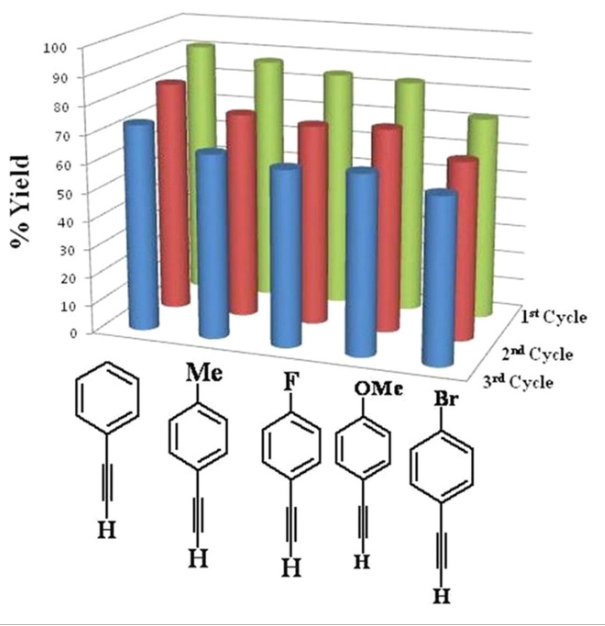
A new porphyrin-based compound, [Zn3(C40H24N8)(C20H8N2O4)2(DEF)2](DEF)3 (1; DEF=N,N-diethylformamide), has been synthesized by employing 5,10,15,20-tetrakis(4-pyridyl)porphyrin, 1,2-diamino-3,6-bis(4-carboxyphenyl)benzene, and Zn2+ salt at 100 °C under solvothermal conditions. The structure, as determined by single-crystal XRD studies, is three-dimensional with threefold interpenetration. The usefulness of free −NH2 groups in the ligand was exploited for anchoring silver nanoparticles through a simple solution-based route. The silver-loaded sample, Ag@1, was characterized by powder XRD, energy-dispersive X-ray spectroscopy, high-resolution TEM, SEM, X-ray photoelectron spectroscopy, and inductively coupled plasma MS analysis, which clearly indicated that silver nanoparticles with a size of 3.83 nm were uniformly distributed within the metal–organic framework (MOF). The Ag@1 sample was evaluated for possible catalytic activity for the carboxylation of a terminal alkyne by employing CO2 under atmospheric pressure; this gave excellent results. The Ag@1 catalyst was found to be robust, active, and recyclable. The present studies suggest that porphyrin MOFs not only exhibit interesting structures, but also show good heterogeneous catalytic activity towards the fixation of CO2.

rpmt

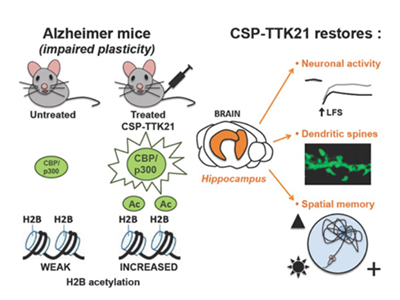
Chromatin acetylation, a critical regulator of synaptic plasticity and memory processes, is thought to be altered in neurodegenerative diseases. Here, we demonstrate that spatial memory and plasticity (LTD, dendritic spine formation) deficits can be restored in a mouse model of tauopathy following treatment with CSP‐TTK21, a small‐molecule activator of CBP/p300 histone acetyltransferases (HAT). At the transcriptional level, CSP‐TTK21 re‐established half of the hippocampal transcriptome in learning mice, likely through increased expression of neuronal activity genes and memory enhancers. At the epigenomic level, the hippocampus of tauopathic mice showed a significant decrease in H2B but not H3K27 acetylation levels, both marks co‐localizing at TSS and CBP enhancers. Importantly, CSP‐TTK21 treatment increased H2B acetylation levels at decreased peaks, CBP enhancers, and TSS, including genes associated with plasticity and neuronal functions, overall providing a 95% rescue of the H2B acetylome in tauopathic mice. This study is the first to provide in vivo proof‐of‐concept evidence that CBP/p300 HAT activation efficiently reverses epigenetic, transcriptional, synaptic plasticity, and behavioral deficits associated with Alzheimer's disease lesions in mice.

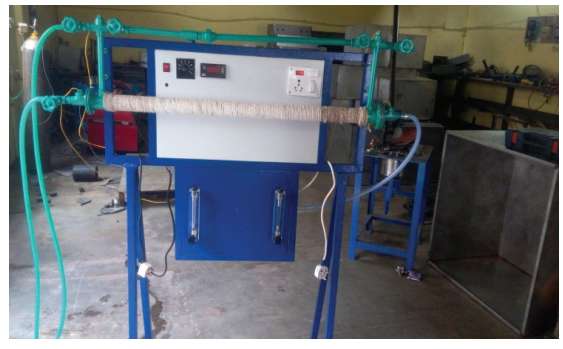
This paper presents the design and performances of double pipe heat exchanger embedded straight rectangular fins in the annulus are presented. Solar water heating systems use heat exchangers to transfer solar energy absorbed in solar collectors to the working fluid used to heat the water or a space. An experimental investigation is conducted for different set values of mass flow rate and varying the number of rectangular fins. The experimental results are validated with plain double pipe heat exchanger. The results of rectangular fins in the annulus side causes increased rate of heat transfer and pressured drop compared to plain double pipe heat exchanger. The experimental study is performed by varying mass flow rate of 0.01 kg/s, 0.02 kg/s and 0.03 kg/s of cold fluid in the annulus side and the mass flow rate of hot fluid in the inner pipe is kept constant. The performance and increased pressure drop is a function of number of fins and mass flow rate.

app

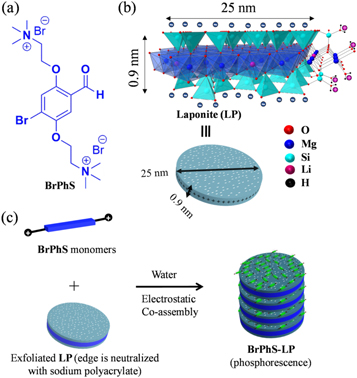
Ambient solution and amorphous state room temperature phosphorescence (RTP) from purely organic chromophores is rarely achieved. Remarkable stabilization of triplet excitons is realized to obtain deep red phosphorescence in water and in amorphous film state under ambient conditions by a unique supramolecular hybrid assembly between inorganic laponite clay and heavy atom core substituted naphthalene diimide (NDI) phosphor. Structural rigidity and oxygen tolerance of the inorganic template along with controlled molecular organization via supramolecular scaffolding are envisaged to alleviate the unprecedented aqueous phase phosphorescence.

dt

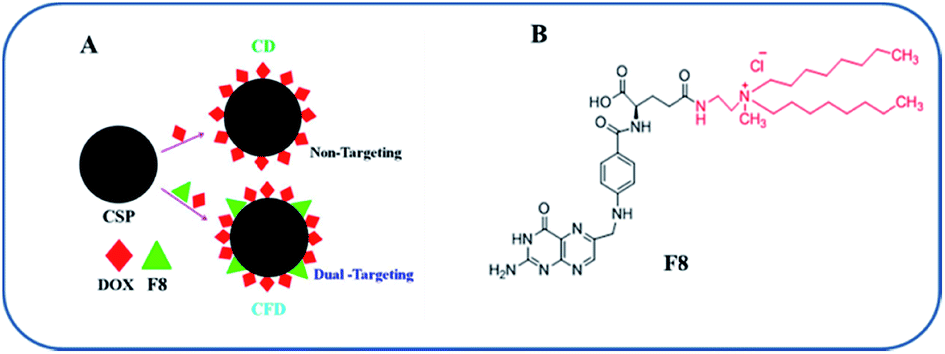
Glioblastoma multiforme (GBM), the highly invasive form of glioma, exhibits the highest mortality in patients with brain malignancies. Increasing glioma patients' survivability is challenging, as targeting only tumor-associated malignant cells would not reduce the overall aggressiveness of the tumor mass. This is due to the inadequacy in countering pro-proliferative, invasive and metastatic factors released by tumor-mass associated macrophages (TAMs). Hence, strategically, dual targeting both tumor cells and TAMs is necessary for effective glioma treatment and increased survivability. Conventional FR-targeting systems can easily target cancer cells that overtly express folate receptors (FRs). However, FRs are expressed only moderately in both glioma cells and in TAMs. Hence, it is more challenging to coordinate dual targeting of glioma cells and TAMs with lower levels of FR expression. A recently developed carbon nanosphere (CSP) with effective blood–brain barrier (BBB) penetrability was modified with a new folic acid–cationic lipid conjugate (F8) as a targeting ligand. The uniqueness of the cationic lipid–folate conjugate is that it stably associates with the negatively charged CSP surface at about >22 mol% surface concentration, a concentration at least 5-fold higher than what is achieved for conventional FR-targeting delivery systems. This enabled dual uptake of the CSP on TAMs and tumor cells via FRs. A doxorubicin-associated FR-targeting formulation (CFD), in an orthotopic glioma model and in a glioma subcutaneous model, induced the maximum anticancer effect with enhanced average mice survivability twice that of untreated mice and without any systemic liver toxicity. Additionally, we observed a significant decrease of TAM-released pro-aggressive factors, TGF-β, STAT3, invasion and migration related sICAM-1, and other cytokines indicating anti-TAM activity of the CFD. Taken together, we principally devised, to the best of our knowledge, the first FR-targeting nano-delivery system for targeting brain-associated TAMs and tumor cells as an efficient glioma therapeutic.

scm

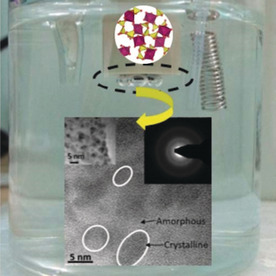
Sodium cobalt metaphosphate [NaCo(PO3)3] has CoO octahedra (CoO6) and shows superior oxygen evolution reaction (OER) activity in alkaline solution, comparable with the state-of-the-art precious-metal RuO2 catalyst. OER catalysts of this metaphosphate are prepared by combustion (Cb) and solid-state (SS) methods. The combustion-assisted method offers a facile synthesis and one-step carbon composite formation. Unusually high catalytic activity was observed in NCoM-Cb-Ar and could be due to chemical coupling effects between NaCo(PO3)3 and partially graphitized carbon. This novel electrocatalyst exhibits very small overpotential of 340 mV with high mass activity of 532 A g−1. Good charge transfer abilities and chemical coupling between NaCo(PO3)3 and amorphous carbon gives the OER activity in NCoM-Cb-Ar.

Harvesting triplet excitons via room temperature phosphorescence (RTP) in solution or amorphous state from purely organic chromophores is a formidable challenge. Supramolecular hybrid co-assembly between a brominated aromatic carbonyl derivative (BrPhS) and laponite clay (LP) particles is shown to result in remarkable triplet stabilization to result room temperature phosphorescence (RTP) in aqueous solution as well as in amorphous thin films. This remarkable feature is realized by means of highly organized, rigid molecular network of the dye molecules on the inorganic scaffold which reduces the vibrational dissipations as well as limits the oxygen diffusion to facilitate the triplet harvesting under ambient conditions. The water soluble phosphor, BrPhS is also shown to be an excellent triplet emitter in other amorphous polymer matrices like polyvinyl alcohol (PVA) and sodium polystyrene sulphonate (PSS) with phosphorescence quantum yield over 30% in air.

Scroll to Top