
Catalysis
At the Nanocat Lab, we explore how catalysts can accelerate chemical reactions while enhancing efficiency and sustainability. Our research spans thermocatalysis, electrocatalysis, and photocatalysis, addressing challenges in energy, environment, and chemical processes. By designing advanced nanomaterials and understanding their behavior at the nanoscale, we aim to develop practical catalytic systems that are efficient, cost-effective, and environmentally sustainable.
Selected Research Topics
1. Thermocatalysis
Thermocatalysis involves using heat along with catalysts to accelerate chemical reactions efficiently. We design advanced materials that enhance reaction rates and selectivity under controlled thermal conditions for practical applications.
1a. Oxidative/Non-Oxidative Paraffin Dehydrogenation over metal free catalysts
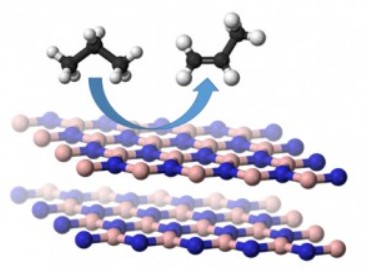
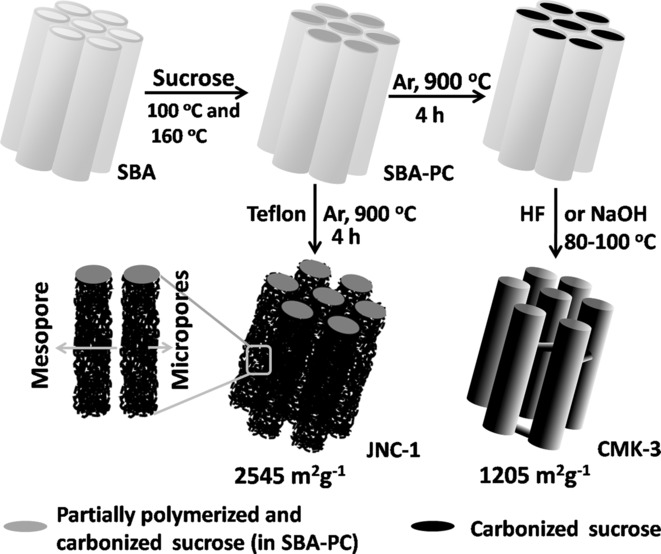
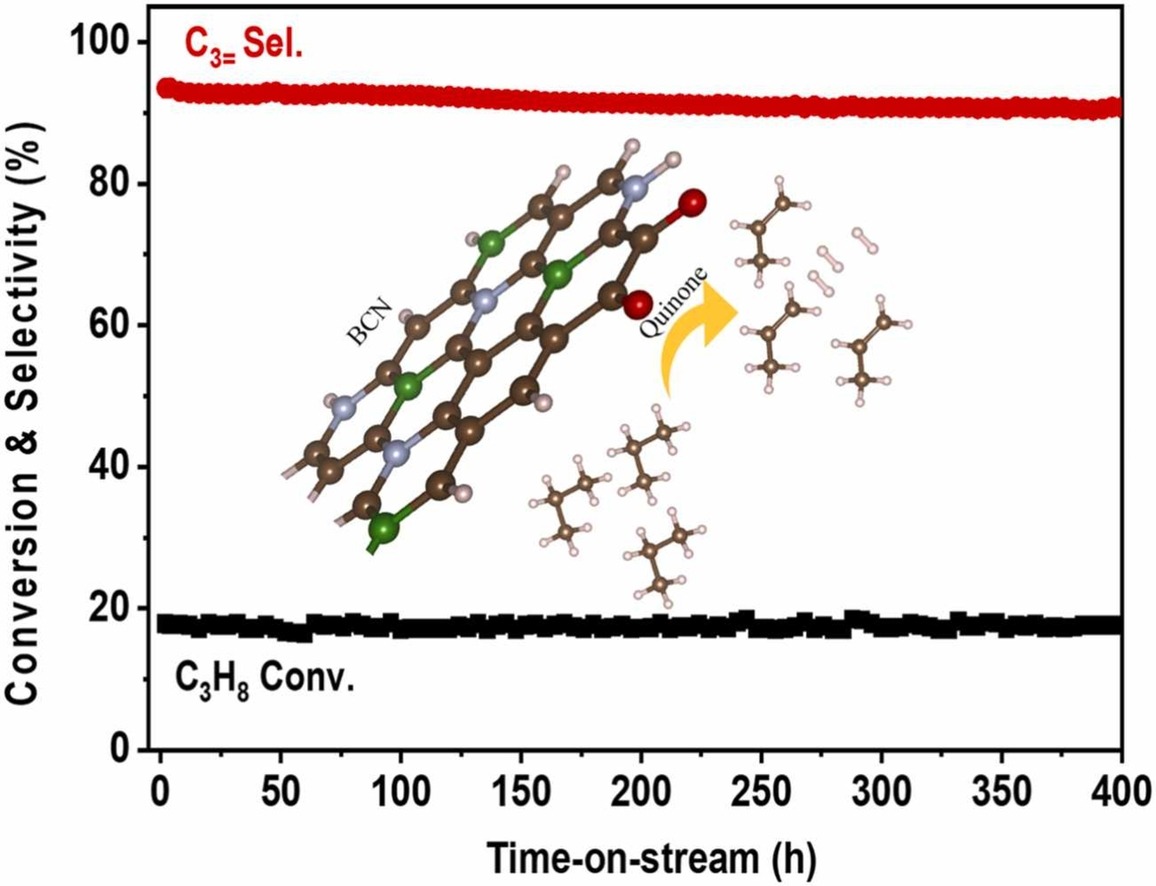
Dehydrogenation of paraffins have been used to synthesize corresponding olefins which are employed as the feedstock for various value added chemicals in polymer, infrastructure, medical and petrochemical industries. In our lab, we have been focusing on novel, metal free, porous layered materials as catalysts with high surface area for dehydrogenation process.
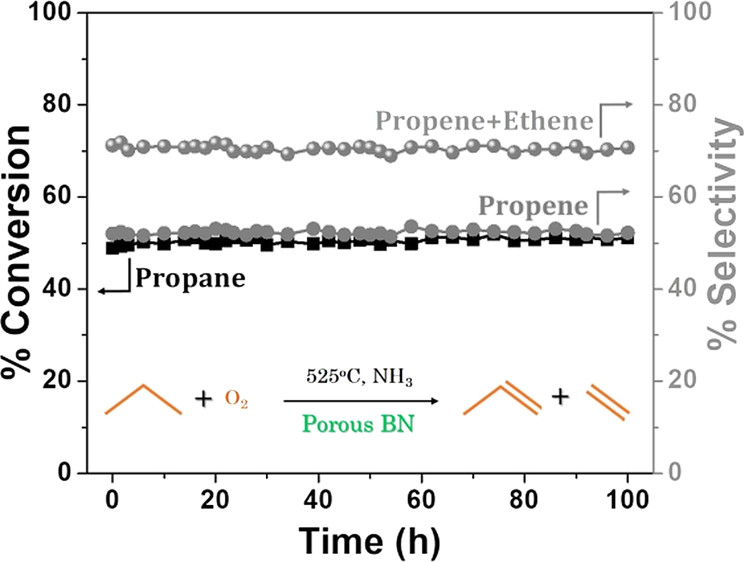
Piyush Chaturbedi, Momin Ahamed, Eswaramoorthy. M
January 11,2018
1b. Hydrogen peroxide synthesis
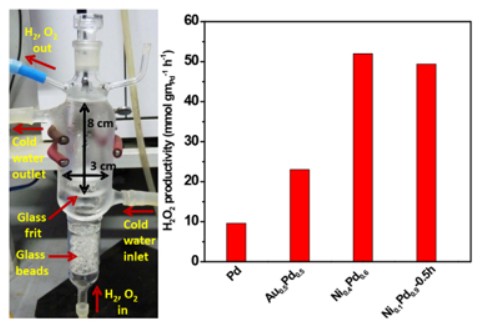
The industrial synthesis of hydrogen peroxide (H2O2) proceeds via an anthraquinone mediated process which is environmentally hazardous. Hence, an alternative way is the direct synthesis of hydrogen peroxide from molecular hydrogen (H2) and oxygen (O2) . It is a challenging reaction in terms of catalyst selection, stability and selectivity. We have been focusing on high surface area, bimetallic systems synthesized by a facile procedure, exhibiting good activity.
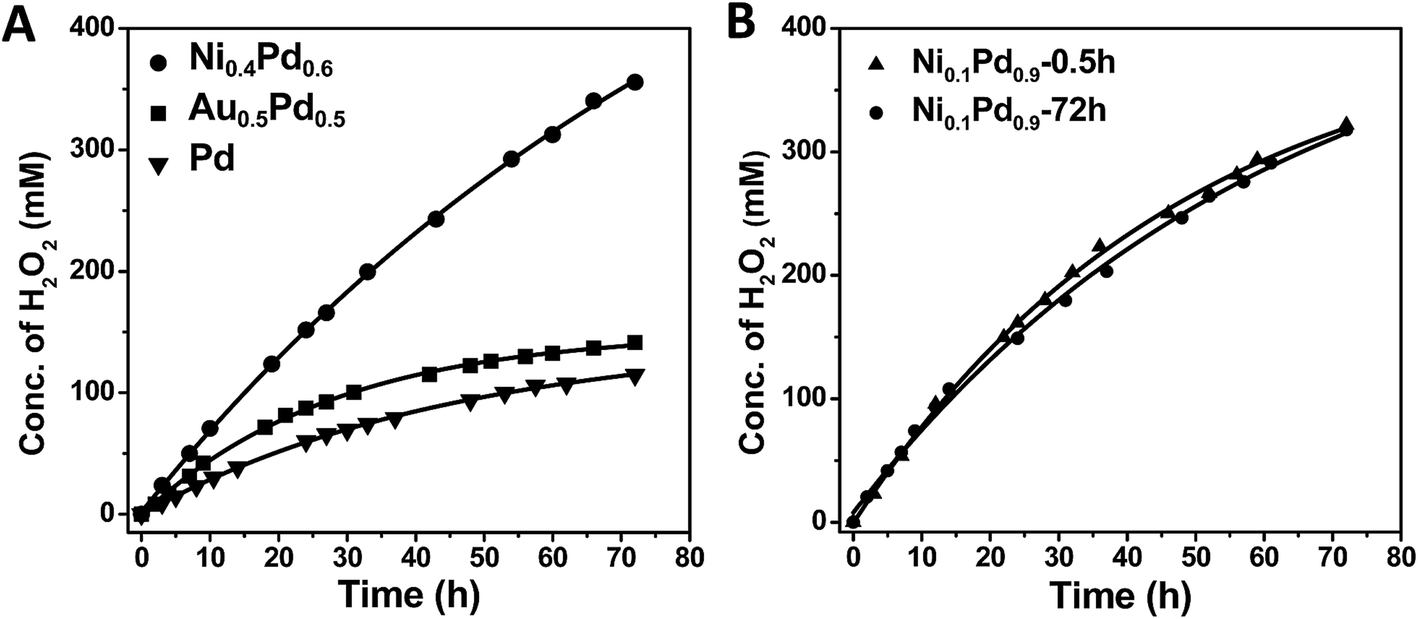
Sisir Maity, M. Eswaramoorthy
January 29, 2016
1c. Methane Conversion
Methane is one of the major constituents of natural gas. Conventionally, the conversion of methane to important chemicals proceeds via a two-step energy intensive process. Hence, there is a need to develop an alternative, energy efficient method for the conversion process. The direct conversion of methane to useful chemicals is thus receiving greater attention. In our lab, we are exploring different heterogeneous catalysts based on transition metals which have been reported for efficient methane activation to directly convert methane to methanol with high selectivity.
1d. Formic Acid Decomposition
Formic acid is a promising liquid carrier for hydrogen storage. It can decompose to produce either hydrogen or carbon monoxide, so controlling the reaction is important. At Nanocat Lab, we develop efficient catalysts, especially amine-functionalized materials with metal nanoparticles, for selective hydrogen generation at room temperature. We also study electrocatalytic methods for formic acid decomposition.
2. Electrocatalysis
2a. Hydrogen evolution reaction (HER), oxygen evolution reaction (OER) and oxygen reduction reaction (ORR)
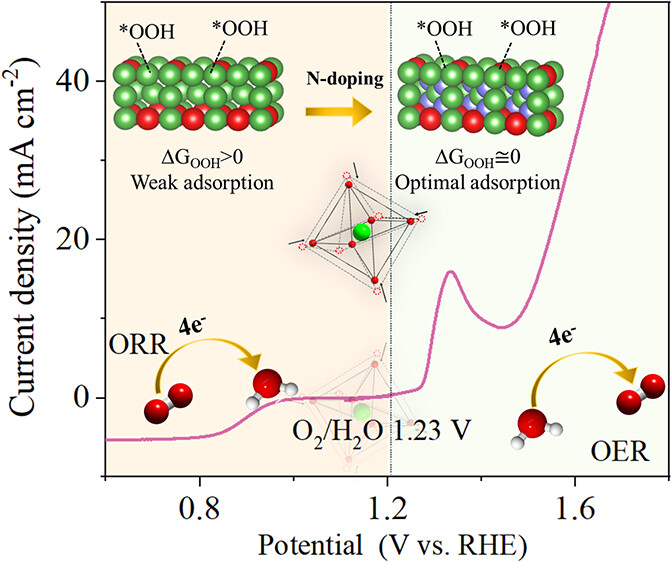
The energy crisis and air pollution have increased the need for clean energy technologies such as fuel cells and water splitting. Key reactions like OER, ORR, and HER are essential for these systems but require efficient catalysts due to high energy barriers. At NanoCat Lab, we focus on developing advanced electrocatalysts to reduce overpotential and improve performance. Our work includes materials such as carbon-based systems, metal oxide–carbon composites, and bimetallic phosphides.
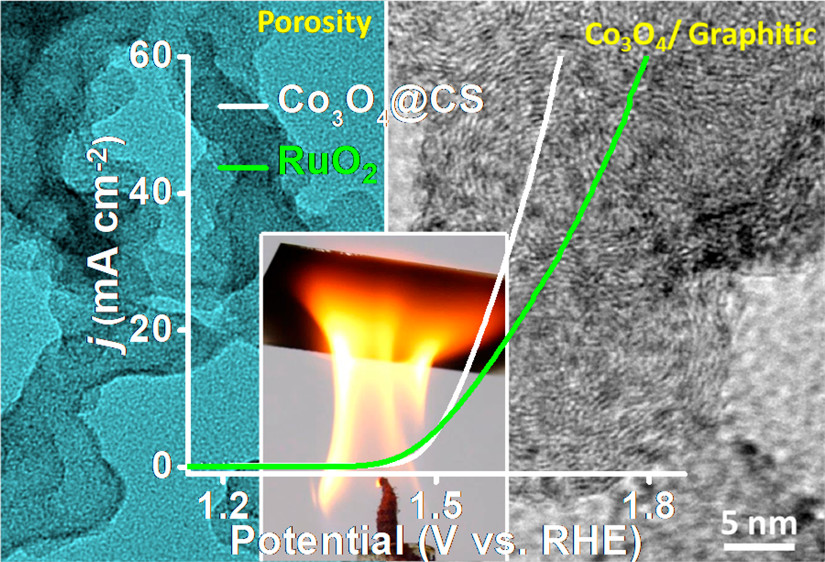
Dheeraj K S, Soumita C, Arunava S, Sampath S and Eswaramoorthy M
August 15, 2018
2b. Carbon dioxide Reduction
Electrochemical reduction of CO₂ helps reduce carbon emissions while producing useful fuels and chemicals. It can generate products like carbon monoxide, alcohols, and hydrocarbons. However, the process requires efficient catalysts and proper cell design due to low CO₂ solubility. At NanoCat Lab, we focus on developing advanced bimetallic catalysts to improve this process.
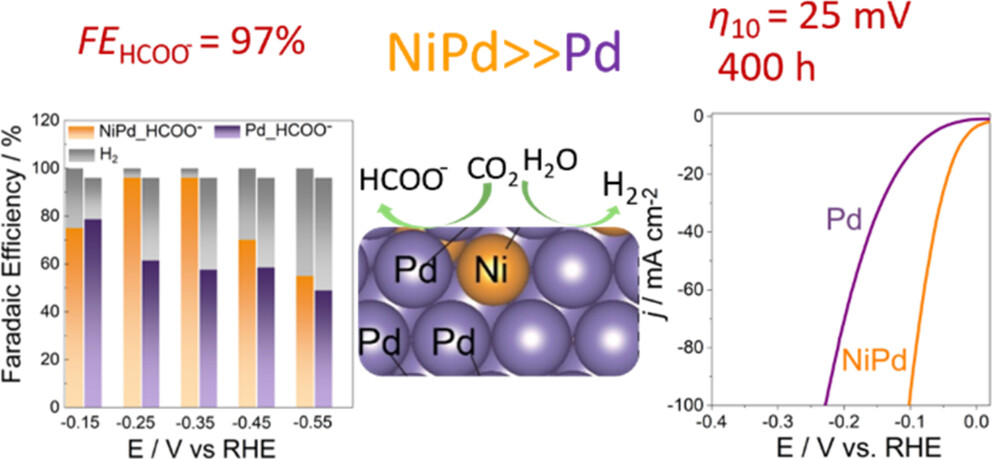
Soumita Chakraborty, ...., M. Eswaramoorthy
June 20, 2024
2c. Nitrate Reduction
Ammonia is an essential chemical for fertilizers and food production, traditionally produced by the energy-intensive Haber–Bosch process. Electrochemical nitrate reduction offers a cleaner alternative using renewable energy, but challenges remain due to low selectivity and competing hydrogen evolution. At Nanocat Lab, we optimize reaction setups and ammonia detection methods for efficient nitrate reduction. We also develop metal and metal oxide catalysts (such as Au, Pd, and Ru) to improve ammonia yield and faradaic efficiency.
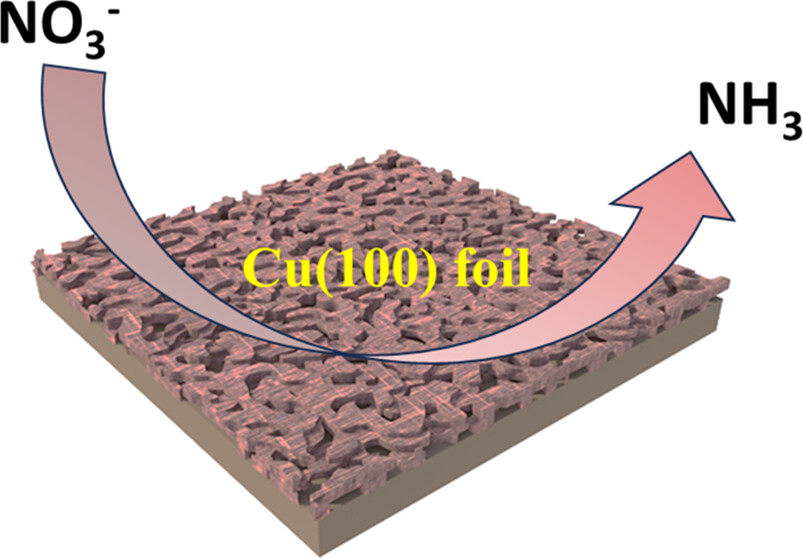
Abhishek Garg,....., M. Eswaramoorthy
July 4, 2024
3. Photocatalysis
With increasing energy demand and environmental concerns, there is a need for clean and sustainable energy sources. Hydrogen is a promising option that can be produced by splitting water using renewable energy. In photocatalysis, sunlight is used to drive this process and generate hydrogen fuel. At NanoCat Lab, we focus on developing advanced materials for efficient photocatalytic water splitting.
Electrochemical Energy Storage
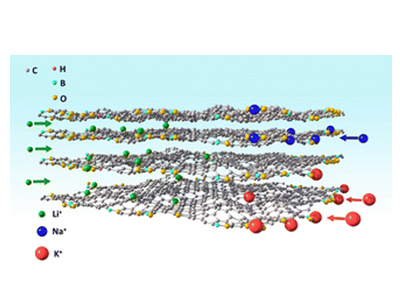
Battery technology plays a key role in clean energy storage, especially for electric vehicles and portable devices. While lithium-ion batteries are widely used, their performance is limited by current materials like graphite. At NanoCat Lab, we develop alternative anode materials such as Si, Sn, and Ge to achieve higher capacity and better performance. We also explore next-generation systems like sodium- and potassium-ion batteries as sustainable alternatives.
Dheeraj Kumar Singh, ......, M. Eswaramoorthy
January 6, 2016
Multifunctional Materials
Our lab focuses on the design and development of advanced porous materials, including silicates, two-dimensional systems such as graphene, boron nitride and borocarbonitride (BCN), as well as engineered clay materials like aminoclay.
By tailoring their surface chemistry and structure, we develop platforms for carbon capture, pollutant removal, ion-gating and controlled urea release for sustainable agriculture. These materials also serve as efficient catalyst supports for energy-related reactions such as OER, HER, H₂O₂ synthesis, and dehydrogenation, bridging environmental sustainability, precision agriculture, and catalytic energy technologies.
Momin Ahamed, ..., M. Eswaramoorthy
May 15, 2025
2D-Membranes
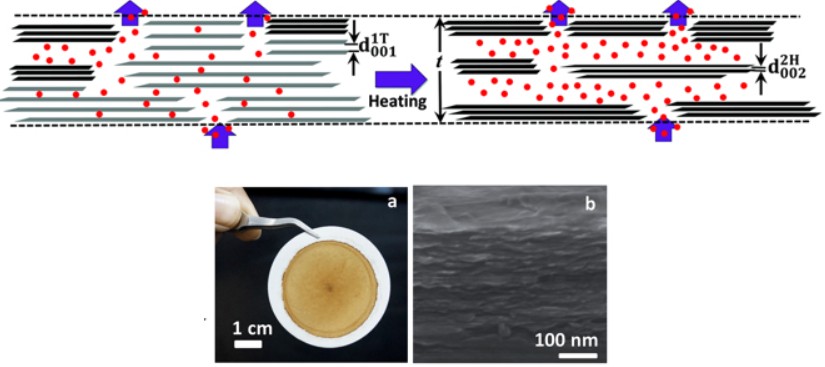
Membrane-based gas separation is an energy-efficient and cost-effective alternative to conventional methods, although achieving high selectivity and permeability remains challenging. At the Nanocat Lab, we develop advanced membranes based on graphene oxide (GO) and MoS₂ to enhance gas separation performance. Our work demonstrates significant improvements in gas permeability and efficient separation, particularly for H₂/CO₂ systems. These materials offer promising solutions for energy applications and industrial gas purification.
A. Achari, Sahana. S, M. Eswaramoorthy
February 25, 2016
Drug Delivery across the Blood–Brain Barrier (BBB)
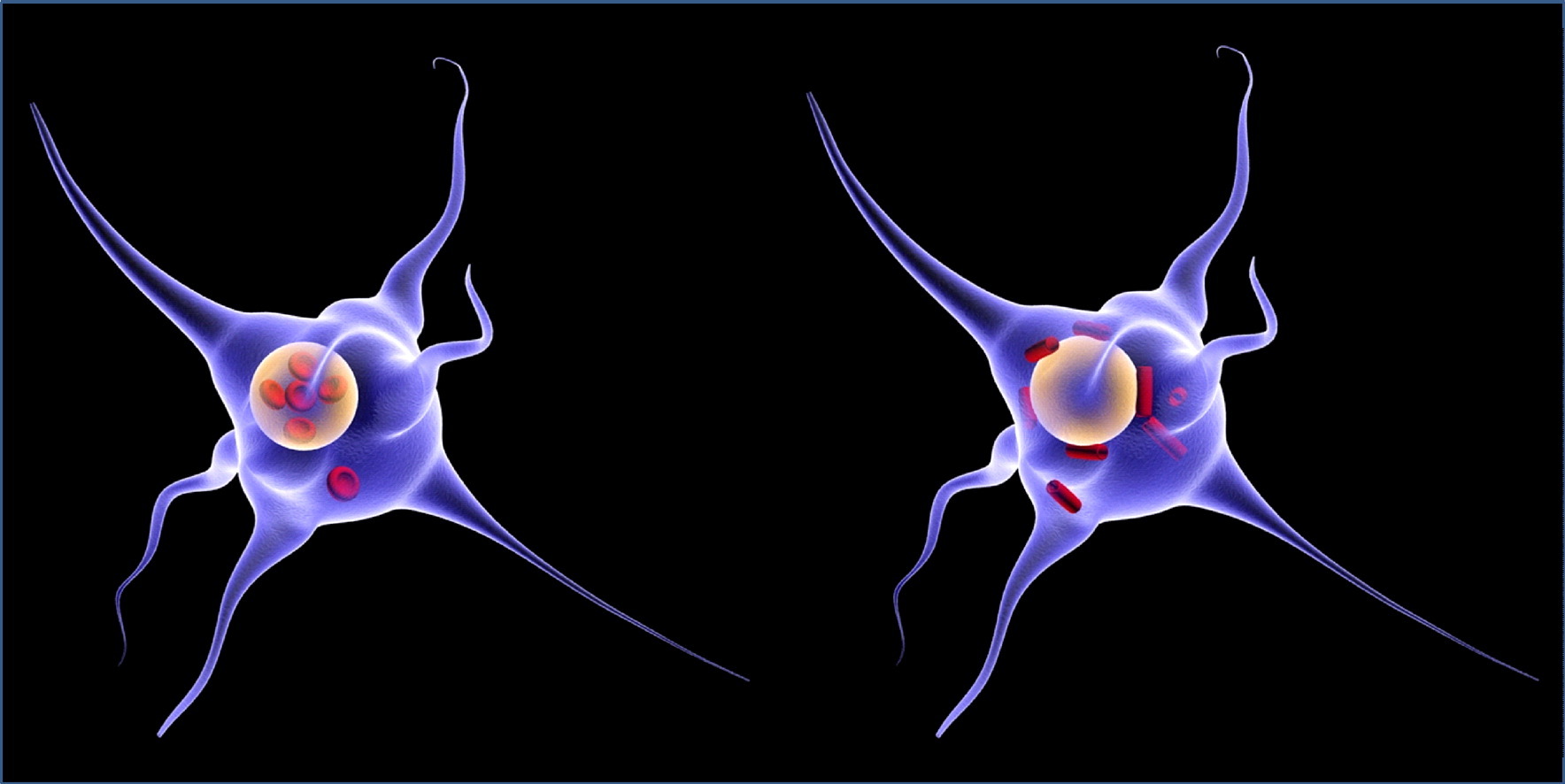
The blood–brain barrier (BBB) is a highly selective, semi-permeable barrier that restricts the transport of molecules from blood to the brain, posing a major challenge for treating neurological disorders such as Alzheimer’s and Parkinson’s diseases. Our research(with our fine Collaborator, Professor Tapas Kundu from MBGU) focuses on designing nanomaterial-based delivery systems capable of crossing the BBB, offering a more versatile approach than conventional drug modification. We have demonstrated that glucose-derived carbon spheres can cross the BBB and deliver TTK21 (a histone acetyltransferase activator) into the brain. We also explore shape-directed, in vivo compartmentalized delivery using carbon-coated iron oxide nanoparticles.
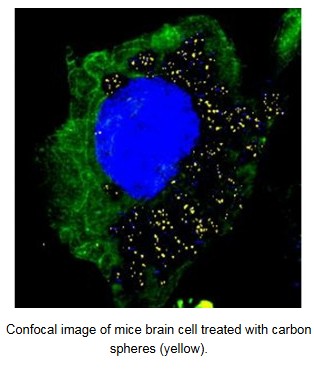
BBB is a highly selective semi-permeable blockade which separates the circulating blood from the brain. So, delivery of drugs in the brain is the major hurdle in the treatment of brain related diseases like Alzheimer’s, Parkinson’s etc. Design of drug delivery materials which can cross BBB is more generic and viable solution compared to drug modification. In our lab, glucose derived carbon spheres were shown to cross BBB and also deliver TTK21 drug molecules (HAT activator) in the brain for the first time. Shape-directed In Vivo compartmentalized delivery of carbon coated iron oxide nanoparticles were also explored.
November 10, 2015
Piyush Chathurbedi,..., M. Eswaramoorthy